
Part 5: Cycling Etiquette and Traffic Rules – Riding Safely When You’re the Fragile One in Traffic
Through the series of articles within the Cycling Academy with Matej Mohorič, we promote a culture of respect for the road, the rules, and one another. Respectful. Sporty. Safe.
In the fifth part of the Cycling Academy with Matej Mohorič, created as part of Merkur zavarovalnica L’Etape Slovenia by Tour de France, we return to the foundation that ultimately matters most: how we behave on the bike. This time, we summarise the key habits of safe and respectful riding in traffic, reminding cyclists as the more vulnerable road users not to look for shortcuts, not to force right of way, to respect red lights, pedestrian crossings, overtaking rules, and to use available cycling infrastructure. At the same time, we do not forget the “softer” side of cycling culture: greetings, helping one another on the road, and collegiality. These are virtues that build community and make cycling safer, more human, and more inclusive.
When you’re on the road, you are part of traffic. NOT an exception.
Traffic rules apply to cyclists as well. Most problems do not arise from “major” recklessness, but from small shortcuts: rolling a bit through a red light, cutting across a pedestrian crossing, hopping briefly onto the pavement. These choices may feel “practical”, but traffic is based on a shared agreement—the traffic rules that apply to everyone. Once you start riding according to “your own logic”, others can no longer predict your behaviour, which increases the risk of danger, incidents, and serious accidents.
Additional tip: If you catch yourself thinking “It’s just a moment”, that’s usually a sign the situation is already risky enough that you don’t need it.
No forcing right of way. EVEN WHEN YOU “ARE RIGHT”.
Cyclists often see more, hear more, and feel they have more time. But that doesn’t mean drivers and pedestrians have the same perspective. Forcing right of way is dangerous because it is based on assumptions: they saw me, they’ll stop, I’ll slip through, I’m fast, I’m skilled, I’m in control. On the road, assumptions are a poor currency.
Practical rule: When entering or crossing an intersection, let your decision be confirmed by fact, not by feeling. Waiting one extra second is always better than dealing with the consequences.
Red lights and intersections: THEY APPLY TO CYCLISTS TOO.
A red light means one thing only: stop. An intersection is where traffic flows cross, attention is divided, speeds vary, drivers’ fields of vision differ, and reaction times are limited. A cyclist who enters an intersection against a red light often catches other road users at a moment when they do not expect them. Don’t provoke danger unnecessarily.
Additional tip: At intersections, be especially alert for vehicles turning right. Many dangerous situations arise when a cyclist rides straight ahead while a vehicle turns across their line—particularly when the cyclist emerges from a blind spot.
Pedestrian crossings: RESPECT THE SPACE WHERE OTHERS HAVE PRIORITY.
Pedestrian crossings are meant for pedestrians. Where there is no specifically marked bicycle crossing, the safest and most considerate option is to slow down significantly and dismount if necessary. Children, older people, pedestrians wearing headphones, or a dog on a leash do not react according to “your scenario”. At a crossing, you are a guest—the pedestrian is at home.
Overtaking: safely and with sufficient space.
Overtaking is where cycling culture becomes visible. When overtaking another cyclist, you must not startle them, cut them off, or take away their stable riding space. It is a manoeuvre that requires clear visibility, decisiveness, and awareness that your speed can be deceptive—so ensure enough room and time.
Additional tip: Before overtaking, make a quick “mini plan”: where you will go, where you will return to the line, and whether you have enough space. If you can’t answer within a second, wait with the manoeuvre.
Cycling paths and lanes: use them.
Cycling infrastructure is not decoration. When a cycle path or lane is provided, use it. This generally makes you safer and keeps traffic flowing more smoothly. If the path is damaged or impassable, it is of course appropriate to move onto the road—but signal your manoeuvre, merge without forcing right of way, and do so calmly and predictably.
Additional tip: Don’t switch between the path and the roadway without reason. The most dangerous situations are quick transitions from one surface to another, because others don’t know your intention.
The pavement is not the solution.
The pavement belongs to pedestrians. Riding on the pavement is generally not permitted and primarily endangers people who move slowly, unpredictably, and often without expecting a bicycle. If you want cyclists to be seen as a respectful part of traffic, it starts here: with respect for pedestrians.
Greeting, helping, and culture: cycling is a community.
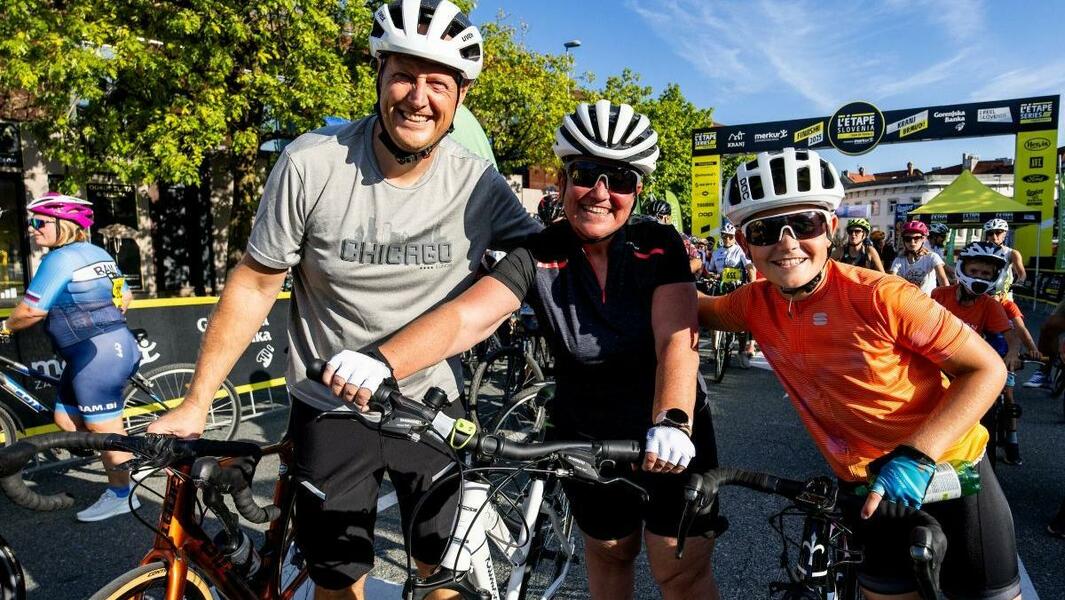
Remember that you are part of recreational cycling. Results, times, and watts should—if they matter at all—be secondary. The primary focus is the joy of movement, gratitude for being able to stay active, and a release from everyday stress. Not more stress. This is your hobby, where we build a community together and co create a culture. A greeting when passing another cyclist is a small gesture that builds belonging. Helping at the roadside truly shows what kind of community we are. If you see a cyclist in trouble, stop safely (off the roadway) and ask if they need help: a tube, a pump, or simply a minute of calm.
If you come across an accident, first take care of your own safety and that of those involved. Move bikes and people to a safe place, calm the surroundings, and only then provide help.
Additional tip: Carry a little more in your saddle bag than you need for yourself: an extra patch kit or valve, an energy bar, plasters. You might just save someone’s day.
A short tip from Matej Mohorič
You don’t have armour on the road. So ride in a way that is clear to everyone: respect the rules, don’t take shortcuts through red lights or pedestrian crossings, and don’t force your way through. A cyclist who is predictable and respectful is faster in the long run—because they get home safely, train again tomorrow, and enjoy the ride.” — Matej Mohorič
Conclusion
Traffic rules and etiquette are not “limits on enjoyment”, but a way to make enjoyment last longer—without crashes, without conflict, and without unnecessary risk. Ride predictably, stop at red lights, don’t force right of way, overtake safely, use cycle paths where available, and respect pedestrians. And when you meet a cyclist in trouble, greet them and help if you can.
That’s how cycling remains what it should be: a sport, a culture, and a community.
👉 Respectful. Sporty. Safe. Together we strengthen tolerance, sportsmanship, and mutual respect. [>>>Further reading]