

7. del: Od panike do nadzora: psihologija mirnih spustov in obvladovanje gneče
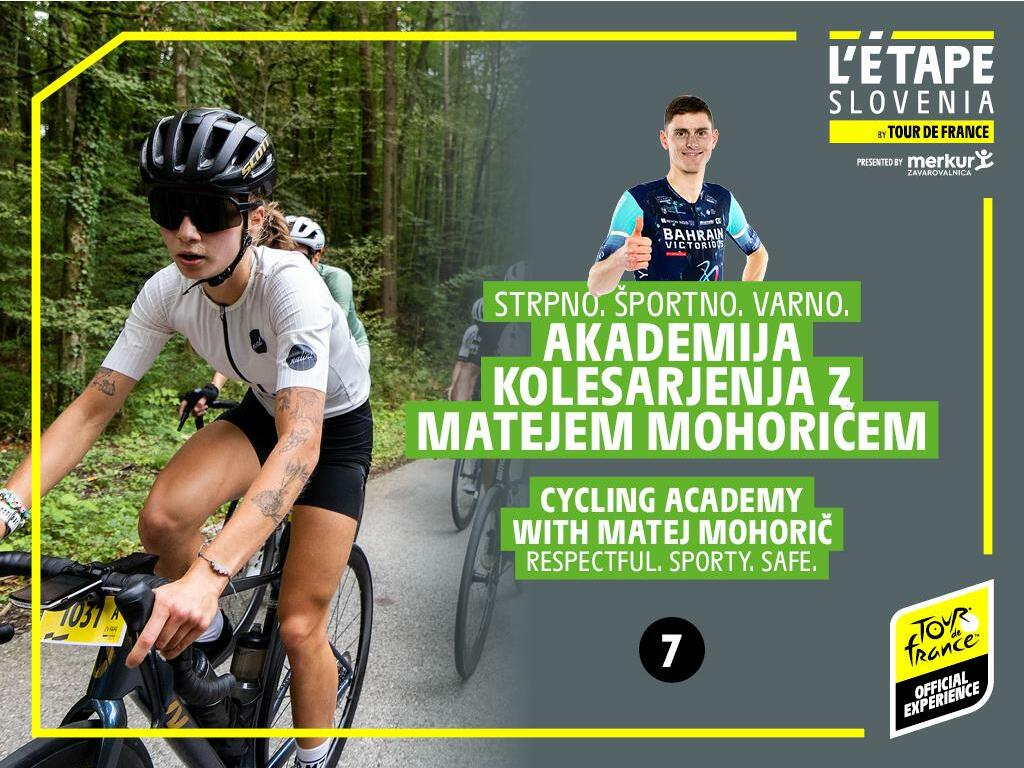
S serijo vsebin v sklopu Akademije kolesarjenja z Matejem Mohoričem krepimo kulturo spoštovanja do ceste, pravil in drug do drugega. Strpno. Športno. Varno.
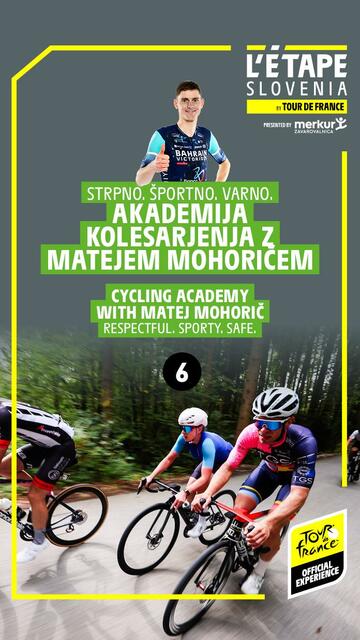
V letošnjem zadnjem delu serije Akademija kolesarjenja z Matejem Mohoričem, ki nastaja v sklopu Merkur zavarovalnica L’Etape Slovenia by Tour de France, se posvečamo zelo realnemu občutku, ki ga večina rekreativcev pozna, a ga redko prizna naglas: negotovost in strah na spustih. Na takih množičnih dogodkih se tempo dvigne, hitrosti so višje kot na treningih, ob tebi pa je še množica drugih kolesarjev. Spusti postanejo hitrejši, reakcije morajo biti bolj tekoče, odločitev pa več. Razlika med dobrim in slabim dnem se pogosto skriva prav v tem, kako znaš v takih trenutkih ohraniti mirnost in nadzor.
Višje hitrosti zahtevajo drugačen pristop – ne več moči, ampak več občutka
Ko se znajdeš na hitrem spustu, hitro ugotoviš, da to ni več vprašanje moči v nogah. To je vprašanje občutka. Na treningu morda voziš podobne ceste, vendar je razlika v tem, da si takrat sam, tempo določaš sam in imaš popoln nadzor nad situacijo.
Na množični prireditvi pa se spremeni veliko stvari. Hitrost postane hitrejša, kot pričakuješ, cesta je “preozka”, skupine se premikajo, zaviranje ni več samo tvoje, ampak tudi odvisno od drugih. Če v takih razmerah poskušaš voziti “kot na treningu”, hitro izgubiš ritem.
Zato je ključno, da razumeš razliko: hitrost ni cilj sam po sebi. Cilj je občutek, da imaš situacijo pod nadzorom. V trenutku, ko tega občutka nimaš več, moraš tempo prilagoditi – brez razmišljanja, brez dvoma in brez oklevanja.
Spusti niso za dokazovanje – so za tekočo vožnjo
Na spustih pride do izraza tehnika. A ta tehnika ne pomeni agresivnosti, ampak tekoče gibanje.
Dobri kolesarji ne delajo sunkovitih popravljanj, ne zavirajo na silo in ne menjajo linije v zadnjem trenutku. Njihova vožnja je umirjena, linije so čiste, odločitve pa pravočasne.
Ko začneš voziti na ta način, postane spust lažji. Ne zato, ker si postal hitrejši, ampak zato, ker si postal bolj predvidljiv – tudi zase, predvsem pa za druge.
Največ težav nastane takrat, ko kolesar ni odločen: malo zavira, malo spušča, malo menja smer. To ustvarja negotovost. Veliko bolj varna je jasna odločitev – tudi če pomeni nekoliko nižjo hitrost.
Gneča spremeni spust v razumevanje situacije, ne samo ceste
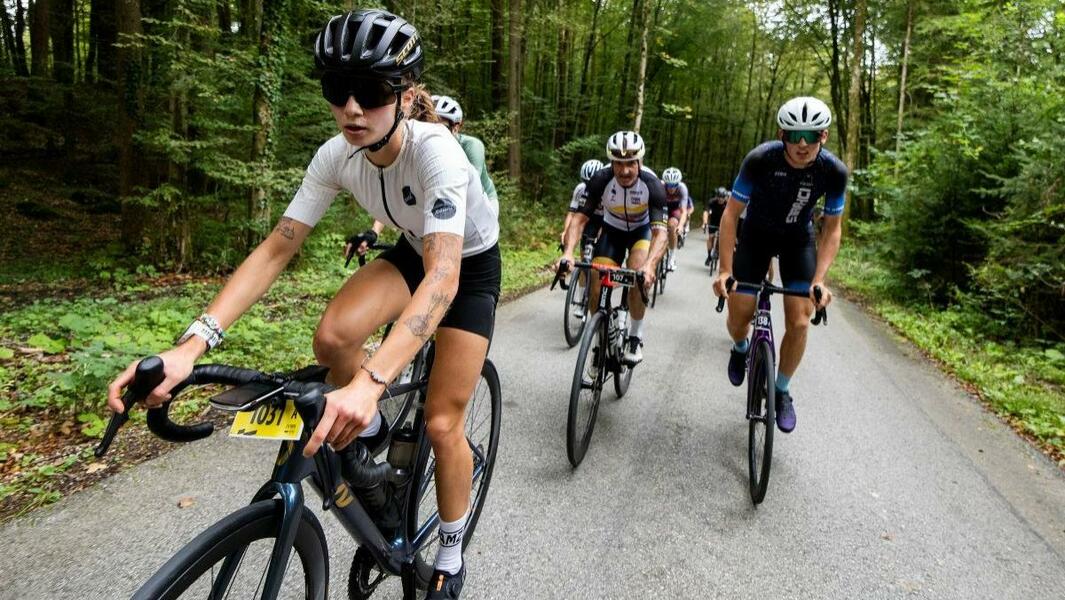
Ko si sam, voziš glede na cesto. Ko si v skupini, voziš glede na ljudi – soudeležence. Na spustih na L’Étape Slovenia bo pogosto več kolesarjev hkrati. To pomeni, da se moraš naučiti “brati” – razumeti okolico: jo opazovati:
- kdo pred tabo zavira hitreje in hitreje upočasnjuje,
- kdo vozi stabilno,
- kdo je nekoliko negotov.
Vsak kolesar oddaja določene signale – in če jih znaš opazovati, razumeti njihov pomen, voziš bistveno varneje, predvsem pa znaš mirno odreagirati in se hitro prilagajati. Pomembno je tudi, da sam postaneš predvidljiv. To pomeni, da ne delaš nenadnih gibov, da ne menjaš linije brez razloga in da ohranjaš enakomeren ritem. S tem daješ drugim kolesarjem občutek varnosti – in isto dobiš nazaj.
V gneči ni prostora za improvizacijo. Je pa veliko prostora za krepitev mirne, obvladljive in z zavedanjem polne vožnje.
Ego je pogosto hitrejši od realnosti
Ena največjih težav na spustih ni strah, ampak ravno nasprotno – občutek, da ga moraš premagati.
Veliko kolesarjev se ujame v razmišljanje, da morajo slediti drugim. Da ne smejo popustiti. Da “morajo držati tempo”. In prav tukaj nastane past, da začne ego prevzemati nadzor nad odločitvami, ki imajo lahko tragične posledice. Zate ali soudeležence. Resnica pa je nedvoumna: vsak kolesar ima svojo mejo. Svoj občutek za hitrost, nivo terhničnih veščin, obvladovanje kolesa, zbranosti in svoje mirnosti. Če poskušaš voziti nad svojo mejo, ne postaneš boljši – postaneš nevarnejši, nepredvidljiv in agresivnejši do soudeležencev.
Umiriti ego pomeni, da si sposoben reči: »To ni moj tempo.« In popustiš, da gredo hitrejši, spretnejši, bolj vešči udeleženci mimo tebe. In prav v tej odločitvi je tvoja največja moč. Je tvoja plemenitost. Je spoštovanje svojih zmožnosti in zagotavljanje varnosti.
Mirnost je največja prednost na spustih
Ko pogledaš najbolj suverene kolesarje, opaziš njihovo skupno lastnost: mirnost. Njihova telesa so sproščena, gibi tekoči, obraz brez napetosti. To ni slučajno. Ko si napet, reagiraš prehitro. Ko si miren, reagiraš pravočasno.
Mirnost pomeni:
- da ne stiskaš krmila,
- da dihaš enakomerno,
- da gledaš daleč naprej, ne tik pred sebe,
- da imaš zaupanje v svoje gibe in si mehek, ne zakrčen.
To je stanje, kjer kolo deluje naravno. In prav tam se začne občutek prave kontrole.
Strah ni sovražnik – ampak informacija
Strah na spustu je normalen. In v resnici zelo koristen. Pove ti, da si blizu svoje meje. Je tvoje opozorilo, signal.
Napaka je, če ga ignoriraš, prav tako je napaka, da mu dovoliš, da te ohromi. Prava pot je, da ga vzameš kot signal za prilagoditev svojim zmožnostim ne ritmu soudeležencev.
To pomeni, da nekoliko zmanjšaš hitrost, izbereš bolj varno linijo, si vzameš več prostora. S tem ne izgubljaš, ampak gradiš zaupanje: vase, v svoje zmožnosti in postopno napreduješ, kar se ti obrestuje v naslednjih kilometrih.
»Strah ne izgine na silo, s prevelikim tveganjem. Zmanjšuje se skozi nadzor, izkušnje in uspešno premagovanje nepredvidljivih situacij.
Kratek nasvet Mateja Mohoriča
Na spustu ni pomembno, koliko tvegaš, ampak koliko nadzora imaš. Če si miren, voziš natančno in v svojem ritmu, si naredil največ. Hitrost pride sama, ko je občutek pravi.” — Matej Mohorič
Zaključek
Spusti, višje hitrosti in gneča so del realnosti kolesarskih preizkušenj, kot je L’Étape Slovenia.
Če znaš ohraniti mirnost, sprejeti svoje meje, umiriti ego in opazovati soudeležence v skupini, katere del si, boš vozil tekoče in znal obvladovati nepredvidljive situacije in varno vozil spuste ter tehnično zahtevnejše odseke.
Na koncu ne šteje, kako pogumen si bil, ampak kako kontrolirano si vozil in da ob prečkanju ciljne črte veš, da s svojo tehniko vožnje nisi ogrožal varnosti soudeležencev.